Home & Living
Home Warranty Divisions: Navigating Your Home’s Protection
Many homeowners only consider the overall home warranty. However, understanding the internal home warranty division of your provider can significantly impact your service quality and claims experience, ensuring your protection plan works for you.


Sarah had a perfectly good home warranty. Or so she thought. When her air conditioner failed during a July heatwave, she called her provider, expecting swift resolution. Instead, her claim bounced between ‘HVAC systems’ and ‘customer service’ divisions for days, each blaming the other for delays in assigning a technician. The problem wasn’t the warranty itself, but the internal friction within the company’s home warranty division. Many homeowners view their home warranty as a single, smooth service. The reality is that larger home warranty providers often operate with distinct internal divisions, each responsible for different aspects of your policy. Understanding how these divisions work — from claims processing to contractor management — can significantly impact your service quality, claims processing speed, and overall satisfaction.
Key Takeaways
- Home warranty providers often use internal divisions for specialized functions like claims, service, and administration.
- These divisions can lead to greater efficiency but also potential communication breakdowns if not managed well.
- Understanding a company’s divisional structure can help you Handle the claims process more effectively.
- Look for providers with transparent processes and strong coordination between their internal departments.
- A home warranty complements, but doesn’t replace, your homeowners insurance coverage.
What Exactly is a Home Warranty Division?
At its core, a home warranty division refers to the specialized operational units within a larger home warranty company. These divisions are designed to simplify specific functions, much like departments in any large organization. Instead of one general team handling everything, tasks are compartmentalized. For instance, one division might focus solely on processing new service requests and initial claim vetting, while another manages the network of approved service technicians. A third might be dedicated to customer support and policy inquiries, and yet another handles financial payouts and appeals. This structure allows for greater expertise in specific areas, theoretically leading to more efficient service. However, where it gets harder is ensuring these divisions communicate effectively. Poor internal coordination can cause delays and frustration for the homeowner.
The Core Functions: What Divisions Do
Each home warranty division plays a distinct role in delivering the service outlined in your contract. Knowing these roles can help you understand what happens after you file a claim. Typically, you’ll encounter divisions responsible for: initial claim intake, technician dispatch, contractor relations, parts procurement, customer service, and often a dedicated division for appeals or complex claims. The ‘claims processing division,’ for example, is where your initial service request lands. Their job is to verify your coverage, assess the nature of the breakdown, and determine if it falls within your policy’s terms. This quick assessment dictates the next steps.
Navigating Different Home Warranty Models
Not all home warranty companies are structured identically. Some operate with largely in-house divisions, meaning their customer service reps, dispatchers, and even some technicians are direct employees. Others rely heavily on outsourced divisions and third-party contractors for most functions. Companies like American Home Shield or Choice Home Warranty, for instance, primarily use extensive networks of independent contractors. This model allows for broad geographic coverage but means the ‘technician dispatch division’ is largely coordinating external businesses, rather than directly managing employees. In contrast, a smaller, regional provider might have a more integrated model. Understanding this distinction is crucial: an in-house model might offer more direct control over service quality, while a network model often provides wider availability but requires stronger coordination from the home warranty division overseeing contractor relations.
Key Coverage Areas and Their Divisional Focus
Many home warranty providers further specialize their internal operations by coverage type. This means there might be a dedicated home warranty division for HVAC systems, another for plumbing, and a separate one for major appliances. This specialization can lead to greater efficiency in sourcing appropriate technicians and parts. However, it can also create silos. If your refrigerator has both an electrical issue and a plumbing problem (like a leaky ice maker), your claim might technically involve two different internal divisions, potentially complicating the resolution if communication isn’t smooth. For example, a ‘white goods division’ might handle issues with refrigerators, washers, and dryers, while a ‘home systems division’ focuses on electrical panels, water heaters, and ductwork. Each will have specific protocols and preferred contractors.
The Claims Process: A Divisional Journey
When you file a claim, it embarks on a journey through these various internal divisions. Knowing the typical path can help you anticipate potential bottlenecks and effectively follow up.
- Initial Contact & Intake: You report the issue to the customer service or claims intake division. They gather basic information and open a service request.
- Vetting & Approval: The claims processing division reviews your policy and the reported issue against coverage terms. They decide if the claim is valid.
- Technician Dispatch: If approved, the dispatch division (or a specialized system/appliance division) assigns a qualified contractor from their network.
- Service & Assessment: The contractor diagnoses the problem. Their report goes back to the home warranty division that handles contractor relations or parts approval.
- Repair or Replacement: Once parts are approved, the repair is completed. If the item is deemed irreparable, the division responsible for replacements will initiate that process, often offering a cash-out option.
- Follow-up & Resolution: The customer service division handles any post-repair inquiries or issues.
Understanding Service Providers and Divisional Oversight
The quality of service you receive often hinges on the home warranty division responsible for managing their network of contractors. This division is tasked with vetting technicians, ensuring they are licensed and insured, and maintaining service standards. A solid contractor management division will have clear protocols for technician performance, response times, and customer satisfaction. However, even with stringent oversight, challenges can arise. For instance, a local contractor might prioritize their direct clients over warranty work if reimbursement rates are lower, leading to longer wait times for warranty customers. According to the National Home Service Contract Association (NHSCA) in 2026, efficient contractor networks are key to customer satisfaction, directly impacting the provider’s reputation.
Evaluating Home Warranty Plans: Beyond the Brochure
When choosing a home warranty, look beyond just the coverage list and annual cost. Inquire about the company’s internal structure and how their home warranty division operates. Questions to ask include:
- Do they use mostly in-house technicians or a third-party network?
- How do their claims and dispatch divisions coordinate?
- What is their typical response time for assigning a technician?
- Is there a dedicated team for appeals or complex claims?
Understanding these operational nuances can give you a clearer picture of the likely service experience. A company with clear lines of communication between divisions is generally a better bet. You can learn more about general evaluation criteria for home protection plans in.
Home Warranty vs. Homeowners Insurance: Where Divisions Overlap
It’s crucial to distinguish between a home warranty and homeowners insurance, as they cover different types of incidents. Your home warranty division handles breakdowns due to normal wear and tear, while your homeowners insurance protects against sudden, accidental damage from perils like fire, theft, or natural disasters. There’s no overlap in coverage; they are complementary. Your insurance policy might cover the damage from a pipe bursting due to a storm, but your home warranty would cover the repair of a water heater that simply stopped working due to age. Understanding this distinction prevents filing claims with the wrong provider, saving you valuable time and effort.
Choosing the Right Home Warranty for Your Needs
Selecting the ideal home warranty involves more than just picking the cheapest option. Here are crucial criteria to weigh:
- Coverage Scope: Ensure the plan covers the specific systems and appliances you need. Check for exclusions on specific parts or types of damage.
- Service Fees/Deductibles: Understand the per-service fee charged each time a technician visits. This can range from $75 to $125 per visit, impacting your out-of-pocket costs.
- Coverage Caps & Limits: Most plans have dollar limits per repair or per system annually. A single HVAC repair, for instance, might have a $1,500 limit.
- Company Reputation: Research reviews focusing on claims handling, technician responsiveness, and communication between internal divisions.
- Contractor Network: Inquire about the number and quality of technicians in your area. A sparse network can mean long wait times.
- Cancellation Policy: Understand terms if you need to cancel your plan.
Real Examples of Divisional Impact
Consider the case of a homeowner, Mr. Henderson, whose washing machine broke down. He filed a claim, which went to the ‘appliance division.’ They dispatched a technician promptly. However, the technician determined the issue was not a mechanical failure but a problem with the electrical outlet—a ‘system issue’ that fell under the ‘electrical division.’ Due to poor communication between these two home warranty divisions, Mr. Henderson faced delays as the electrical division had to open a new claim and dispatch a different technician. This scenario highlights the importance of integrated systems and clear internal communication. Conversely, Ms. Chen had her refrigerator suddenly stop cooling. Her provider, known for its well-integrated home warranty division structure, quickly routed her claim to the ‘white goods’ team. They had a dedicated technician for her zip code, who arrived within 24 hours, diagnosed a faulty compressor, and had approval for replacement parts from the ‘parts procurement division’ within hours. This efficiency meant her food spoilage was minimal, and the repair was completed swiftly.
Common Mistakes to Avoid
Navigating your home warranty division can be tricky if you’re not aware of common pitfalls. Here are some to avoid:
- Not reading the fine print: Many homeowners assume broad coverage. Always review the specific exclusions and limitations in your policy document.
- Ignoring maintenance: Warranties typically require you to maintain your systems and appliances. Neglecting regular maintenance can void claims, as the home warranty division might deny coverage for issues stemming from poor upkeep.
- Filing claims for pre-existing conditions: Most warranties don’t cover problems that existed before your coverage started. Companies often send technicians to verify the issue isn’t pre-existing before approving expensive repairs.
- Not escalating issues: If you’re encountering delays or disagreements with one division, don’t hesitate to ask for a supervisor or to speak with the ‘escalations’ or ‘appeals’ home warranty division if one exists.
- Expecting instant replacements: While replacements are possible, the home warranty division’s priority is typically repair. Replacements are often a last resort, and you might receive a cash-out offer instead of a like-for-like new item.
Tips for Optimizing Your Home Warranty Experience
To get the most out of your home warranty, proactive engagement and clear communication are key:
- Document Everything: Keep detailed records of your policy, claims, and all communications with the home warranty division. Note dates, times, names of representatives, and summaries of conversations.
- Be Specific in Claims: When reporting an issue, provide as much detail as possible about the symptoms. This helps the claims division route your request to the correct specialized team more quickly.
- Understand Response Times: Be aware of the stated response times for technician dispatch. While emergencies might be prioritized, standard requests typically have a 24-48 hour window for initial contact.
- Prepare for Technician Visits: Clear the area around the appliance or system, and be ready to explain the issue clearly to the technician.
- Know Your Appeal Process: If a claim is denied, understand the steps to appeal the decision. Many providers have a dedicated home warranty division or team for reviews.
Frequently Asked Questions
What is the primary role of a home warranty division?
The primary role of a home warranty division is to specialize in specific operational aspects of the warranty service, such as claims processing, technician dispatch, customer support, or managing specific coverage types like HVAC or appliances. This specialization aims to enhance efficiency and expertise in handling various aspects of your home protection plan.
How do home warranty divisions handle claims?
When you file a claim, it typically goes to a claims intake division for initial review. It’s then routed to a specialized division (e.g., for appliances or systems) that verifies coverage and dispatches a qualified contractor. This multi-step process ensures expertise is applied at each stage, from initial assessment to final repair or replacement.
Can I choose my own contractor with a home warranty?
Most home warranty divisions work with a network of pre-approved contractors, and you are generally required to use one from their list. Some premium plans might offer the flexibility to choose your own, but it’s important to confirm this in your contract details and understand any specific reimbursement procedures.
What’s the difference between a home warranty and homeowners insurance?
A home warranty covers the repair or replacement of major home systems and appliances that break down due to normal wear and tear. Homeowners insurance, conversely, protects against unexpected damage from perils like fire, storms, or theft. They are distinct forms of protection, with the home warranty division handling the maintenance-related issues.
Are there annual limits to home warranty coverage?
Yes, most home warranty plans include annual limits per system or appliance, and sometimes an overall annual cap for all claims. For example, an HVAC unit might have a $1,500 repair limit. It’s crucial to review these caps with your home warranty division before signing up to avoid unexpected out-of-pocket costs.
What if I disagree with a claim denial from a home warranty division?
If your claim is denied, you typically have the right to appeal the decision. Most home warranty providers have a formal appeals process, often handled by a dedicated home warranty division or a senior review team. You’ll usually need to provide additional documentation or a second opinion from a licensed contractor to support your appeal.
Conclusion
Understanding the internal workings of a home warranty division moves you from being a passive policyholder to an informed consumer. By recognizing the specialized roles within your provider, you can Handle the claims process more smoothly, communicate more effectively, and ultimately secure better outcomes for your home’s systems and appliances. Don’t just buy a policy; understand the engine driving its service. Information current as of July 2026; pricing and product details may change.
Related Articles
- Septic System Installation Cost: What You Need to Know in 2026
- Putting Home in a Trust: A Practical Guide for 2026 Homeowners
- Cinch Home Services: Maximizing Your Home Protection in 2026











Home & Living
Cinch Home Services: Maximizing Your Home Protection
Unexpected home repairs can drain savings and cause immense stress. Cinch Home Services offers a way to manage these costs, but understanding its nuances is key to maximizing your home protection.
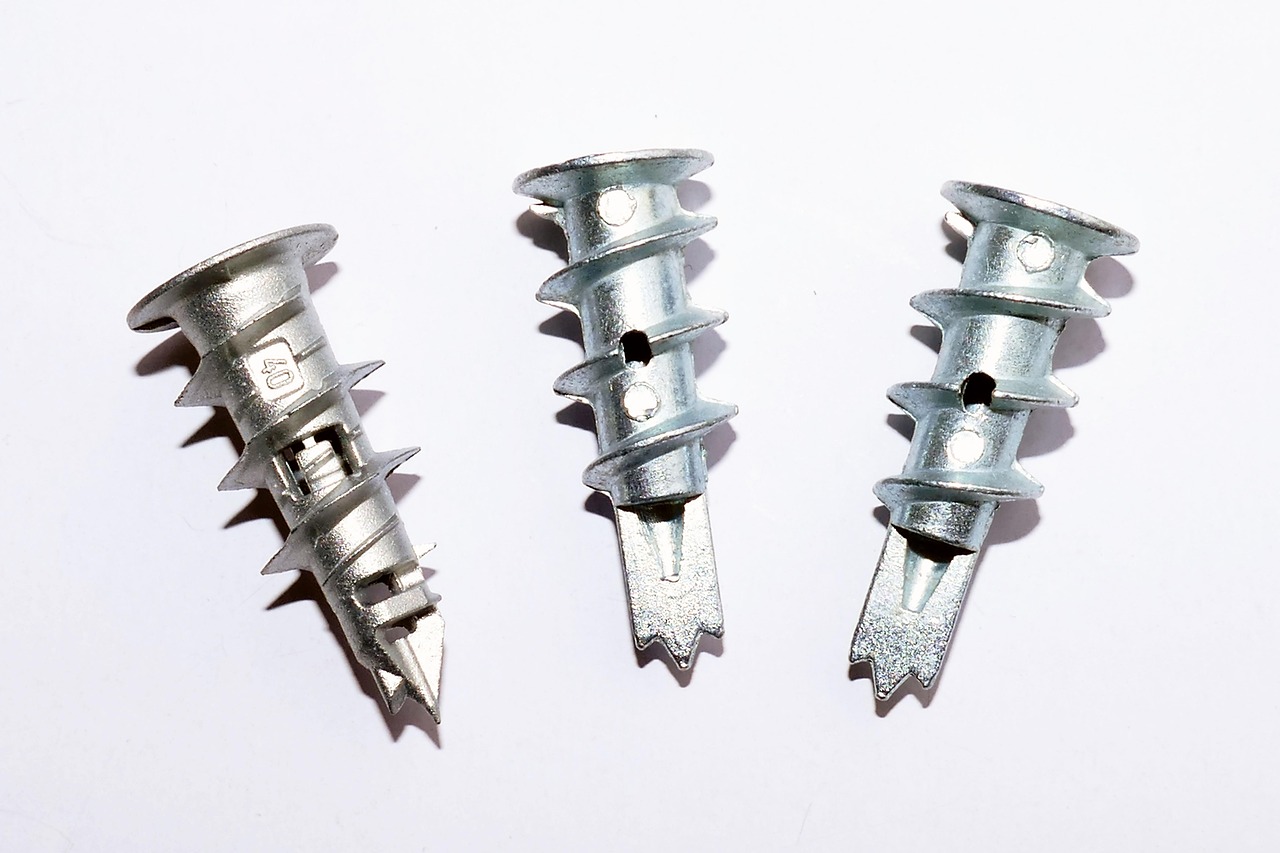
Sarah’s AC unit sputtered out on the hottest day of summer last year, just weeks after she bought her new home. Facing a potential $5,000 bill, she remembered she had signed up for Cinch Home Services. A single service call later, and her family was cool again, costing her just the service fee. Cinch Home Services provides home warranty plans designed to help homeowners manage the high costs of unexpected repairs or replacements for major home systems and appliances. For many, it acts as a financial safety net, mitigating the impact of sudden breakdowns that can otherwise derail a household budget.
Key Takeaways
- Cinch Home Services offers three core plans: Appliance, Built-in Systems, and Complete Home, each with varying coverage tiers.
- Understanding the difference between a home warranty and homeowners insurance is crucial for identifying what Cinch protects.
- Strategically selecting the right Cinch plan based on your home’s age and specific needs can significantly reduce out-of-pocket expenses.
- The claims process involves contacting Cinch, technician dispatch, and paying a service fee per incident.
- Reviewing customer feedback and comparing Cinch to competitors like American Home Shield or Choice Home Warranty helps make an informed decision.
What Does Cinch Home Services Cover?
Cinch Home Services provides coverage for a wide array of appliances and home systems, depending on the plan you choose. Their offerings typically fall into three main categories: Appliance, Built-in Systems, and Complete Home. The Appliance plan usually covers major kitchen and laundry appliances such as refrigerators, ranges, dishwashers, washing machines, and dryers. It’s a solid choice if your primary concern is the unexpected failure of these essential household items. The Built-in Systems plan focuses on critical home infrastructure. This includes your HVAC system, electrical wiring, plumbing, water heater, and garage door opener. These are often the most expensive repairs, making this plan a popular option for protecting against major financial shocks. For complete home protection, the Complete Home plan combines elements of both the Appliance and Built-in Systems plans. It offers the broadest coverage, giving homeowners peace of mind across almost all their major home components.
How Cinch Home Services Works: The Claims Process
Navigating the claims process with any home warranty provider can seem daunting, but Cinch aims for simplicity. When a covered item breaks down, your first step is to contact Cinch directly, either online or by phone. This initiates the service request. Once your claim is filed, Cinch dispatches a qualified service professional from their network to diagnose and repair the issue. This network is carefully vetted, and the goal is to have a technician arrive promptly. Upon the technician’s arrival and completion of the repair, you will pay a pre-determined service fee directly to them. This fee is a fixed amount, regardless of the actual repair cost, helping you budget for unexpected issues. According to ConsumerAffairs, the average home warranty service fee ranges from $75 to $125 as of July 2026.
Choosing the Right Cinch Home Warranty Plan
Selecting the ideal Cinch plan depends heavily on your home’s specific needs and the age of your appliances and systems. A newer home with builder warranties might only need supplemental coverage, while an older home with aging infrastructure might benefit from the most complete plan. Consider the age and condition of your major appliances. Are they nearing the end of their typical lifespan? For example, a refrigerator over 10 years old is a prime candidate for appliance protection. Similarly, older HVAC units are more prone to breakdowns. Evaluate your budget for unexpected repairs. If a sudden $3,000 HVAC repair would be a significant financial strain, a Built-in Systems or Complete Home plan offers valuable protection. This proactive approach can prevent larger financial headaches down the line.
Understanding Service Fees and Pricing
The cost of Cinch Home Services involves two main components: the monthly or annual premium and the service call fee. Premiums vary based on the chosen plan, the size of your home, and your geographic location. The service fee, sometimes called a deductible, is a fixed amount you pay each time a technician comes to your home for a covered repair. Cinch offers different service fee options, which directly impact your monthly premium. A lower monthly premium often comes with a higher service fee, and vice versa. This flexibility allows you to tailor the plan to your financial comfort level. For instance, if you prefer lower upfront costs and don’t anticipate many claims, a higher service fee might be suitable. Conversely, if you expect frequent repairs, a higher premium with a lower service fee could be more cost-effective.
Cinch vs. Homeowners Insurance: What’s the Difference?
It’s a common misconception that a home warranty like Cinch Home Services replaces homeowners insurance. In reality, they serve distinctly different purposes and complement each other in complete home protection. Homeowners insurance primarily covers damage from unforeseen perils such as fires, storms, theft, or vandalism. It protects the structure of your home and your personal belongings from catastrophic events. Cinch Home Services, on the other hand, covers the repair or replacement of major systems and appliances due to normal wear and tear or mechanical failure. This includes items like your furnace malfunctioning or your refrigerator breaking down from age, situations homeowners insurance typically won’t touch. For example, if a tree falls on your roof, homeowners insurance would cover the damage; if your washing machine stops working due to an electrical fault, Cinch would handle the repair.
Real-World Scenarios: Cinch in Action
Consider two common scenarios where Cinch Home Services proves its value. Scenario 1: A client, a busy professional in Dallas, experienced their water heater failing. Instead of scrambling to find a plumber and comparing quotes, they contacted Cinch. A technician was dispatched within 24 hours, diagnosed a faulty heating element, and replaced it. The client paid their $100 service fee, avoiding a potential $800-$1,500 replacement bill. Scenario 2: A family with young children found their oven completely stopped working a week before Thanksgiving. With a Cinch Appliance plan, they initiated a claim. Cinch sent a local appliance repair specialist who quickly identified a broken control board. The repair, including parts and labor, would have cost over $600, but the family only paid their fixed service fee, ensuring their holiday meal was saved.
Common Pitfalls and How to Avoid Them
Despite the benefits, some homeowners encounter issues with home warranties. One common pitfall is not fully understanding what’s excluded from coverage. Many policies have limits on specific components or types of damage, such as pre-existing conditions or cosmetic issues. Solution: Carefully read the sample contract before purchasing. Pay close attention to exclusions, coverage caps, and specific conditions. If an item is already broken when you buy the warranty, it generally won’t be covered. Another issue arises from disputes over repair versus replacement. Sometimes, a technician might recommend a repair when a homeowner feels a replacement is more appropriate. The warranty company’s obligation is typically to return the item to working order, not necessarily to upgrade it. Solution: Document the issue thoroughly. Take photos or videos, and get a second opinion if you disagree with the technician’s assessment. Understand that Cinch will often opt for repair if it’s feasible and cost-effective, using comparable parts.
Expert Tips for Maximizing Your Cinch Plan
To truly get the most out of your Cinch Home Services plan, strategic engagement is key. First, maintain a home inventory of all covered appliances and systems, noting their age and last service date. This helps you anticipate potential issues and provides crucial information during a claim. When initiating a claim, be as detailed as possible about the issue. A clear description helps Cinch dispatch the most appropriate technician quickly. Vague descriptions can lead to delays or multiple visits, which can be frustrating. Beyond that, consider the timing of your purchase. If you’re buying an older home, securing a Cinch plan shortly after closing can protect against immediate breakdowns. For those selling, offering a Cinch warranty can be a strong selling point, reassuring potential buyers about the home’s operational integrity.
Frequently Asked Questions
What makes Cinch Home Services different from other home warranty companies?
Cinch differentiates itself with a focus on complete coverage, offering a 180-day workmanship guarantee on repairs, which is longer than many competitors. They also emphasize a user-friendly digital platform for managing plans and claims, aiming for efficiency and transparency in their service delivery.
Can I choose my own technician with Cinch Home Services?
Generally, Cinch assigns a qualified technician from their pre-screened network. This ensures consistency and quality control. While you typically can’t choose your own, Cinch’s network is designed to provide reliable service professionals in your area for your home protection needs.
Does Cinch Home Services cover pre-existing conditions?
No, Cinch Home Services, like most home warranty providers, doesn’t cover pre-existing conditions. The covered item must be in good working order at the start of your contract. This is why it’s crucial to understand your home’s condition before purchasing a plan.
What happens if Cinch can’t repair an item?
If a covered item can’t be repaired, Cinch will replace it with a comparable unit or provide a cash payout equivalent to the replacement cost, factoring in depreciation. This ensures you’re not left without a functioning appliance or system if a repair isn’t feasible.
Are there limits to how much Cinch Home Services will pay for a repair or replacement?
Yes, all Cinch plans have coverage limits for individual items or systems. These caps are detailed in your service contract. It’s important to review these limits to understand the maximum payout for specific repairs or replacements, especially for high-value items.
How long does it take for Cinch to dispatch a technician?
Cinch aims to dispatch a technician within 24–48 hours of a claim being approved, particularly for emergencies. The actual arrival time can vary based on technician availability and your location. Timely communication during the claims process can help expedite service.
Conclusion: Is Cinch Right for You?
Cinch Home Services offers a compelling solution for homeowners looking to mitigate the financial risks associated with unexpected appliance and system breakdowns. By carefully selecting a plan, understanding its terms, and proactively managing your home, you can use Cinch for significant peace of mind. However, it’s not a silver bullet. Always read the contract thoroughly, compare it with other providers, and consider your home’s specific needs before committing. A smart homeowner makes an informed decision, and Cinch can be a valuable tool in that arsenal. Information current as of July 2026; pricing and product details may change.




Septic System Installation Cost: What You Need to Know

OneGuard Home Warranty: Essential Protection for Your Home

Cinch Home Services: Maximizing Your Home Protection

Concrete Driveway Cost: Your Essential Budget Guide

Putting Home in a Trust: A Practical Guide Homeowners

Glass Door Repair: Smart Fixes for Safety and Value
-
 Financial Improvement31 minutes ago
Putting Home in a Trust: A Practical Guide Homeowners
-
 Home Improvement30 minutes ago
Concrete Driveway Cost: Your Essential Budget Guide
-
 Home Improvement28 minutes ago
OneGuard Home Warranty: Essential Protection for Your Home
-
 Home Improvement28 minutes ago
Septic System Installation Cost: What You Need to Know
-
 Home & Living29 minutes ago
Cinch Home Services: Maximizing Your Home Protection
-

 Home Improvement32 minutes ago
Floor Refinishing Near Me: Your Local Expert Guide
-

 Home Improvement31 minutes ago
Asphalt Driveway Cost: A Detailed Guide to Paving Expenses
-
 Home Improvement29 minutes ago
Glass Door Repair: Smart Fixes for Safety and Value