
Lifestyle & Everyday Tips
Finding Joy: The Power of Simple Pleasures
Simple pleasures are small, accessible moments that bring genuine joy and contentment. Discover how cultivating these daily joys can significantly improve your well-being, reduce stress, and enrich your life with practical, actionable strategies.


Simple pleasures are small, accessible joys that significantly boost well-being and reduce stress by activating the brain’s reward system to release neurotransmitters like dopamine. These moments, such as enjoying a warm cup of tea or feeling sunlight on your face, provide immediate calm without requiring major effort or cost.
Actively identifying a personalized pleasure profile and practicing savoring techniques is more effective than passively waiting for good moments. Integrating micro-habits into daily routines helps overcome obstacles like productivity guilt and builds psychological resilience over time.
This guide explains the science behind small joys, practical steps for building habits of contentment, and techniques to engage all five senses for maximum positive emotional impact.
What Exactly Are Simple Pleasures?
Simple pleasures are moments of pure, often unexpected, delight that don’t depend on grand gestures or significant financial outlay. They’re the antithesis of the ‘bigger, better, more’ mentality, focusing instead on the intrinsic value of everyday experiences. Think of the warmth of sunlight on your face, the first sip of your morning tea, or the sound of rain outside your window. These aren’t just fleeting sensations; they are opportunities to pause, appreciate, and reconnect with the present moment. Their power lies in their accessibility and their ability to ground us. For instance, a crisp autumn walk, savoring a perfectly ripe piece of fruit, or listening to a favorite song without distraction are all quintessential simple pleasures. They offer a brief but potent escape from deadlines and demands, serving as small pockets of peace in a busy day.
The Science of Small Joys: Why They Matter
The impact of simple pleasures extends beyond a momentary mood boost; they play a significant role in our psychological well-being. Engaging with these small joys activates the brain’s reward system, releasing neurotransmitters like dopamine, which contributes to feelings of happiness and motivation. According to the American Psychological Association (APA), practicing gratitude and savoring positive experiences can enhance overall life satisfaction and reduce symptoms of depression and anxiety. This isn’t about ignoring problems, but about building psychological resilience by consciously accumulating positive emotional experiences. In my years observing human behavior and striving for personal improvement, I’ve seen how consistently seeking out these small moments can shift a person’s baseline mood. It trains the brain to notice and value the good, counteracting our natural negativity bias, which often makes us focus on what’s wrong rather than what’s right.
Identifying Your Personal Pleasure Profile
What brings one person joy might not resonate with another. The key to unlocking the full potential of simple pleasures is to identify your unique ‘pleasure profile.’ This involves a bit of self-exploration to understand what truly moves you. Start by reflecting on moments when you felt genuinely content or delighted, even briefly. Was it a specific scent, a sound, a taste, or a visual? Did it involve nature, creativity, connection, or solitude? For example, some find immense joy in organizing a small space, while others prefer the spontaneous laughter of children. Make a mental (or physical) list of these moments. This isn’t about generic ‘top 10’ lists; it’s about what truly resonates with your senses and soul. This personalized approach ensures your efforts to find simple pleasures are genuinely rewarding and sustainable.
Cultivating a Habit of Daily Contentment
Merely identifying simple pleasures isn’t enough; the real benefit comes from integrating them into your daily rhythm. This requires intentionality, transforming passive enjoyment into an active practice of cultivating happiness habits. Think of it as building ‘micro-habits of joy.’ These are small, consistent actions that require minimal effort but yield significant emotional returns. For instance, committing to a 5-minute walk outside each day, regardless of weather, or dedicating 10 minutes to truly listen to a podcast without multitasking. The goal is consistency, not intensity. Just as you wouldn’t expect to build muscle from one gym session, you won’t transform your well-being with a single moment of joy. It’s the cumulative effect of daily appreciation that makes the difference. For ideas on building consistent practices, explore.
How to Integrate Simple Pleasures: Step-by-Step
Making simple pleasures a consistent part of your life doesn’t have to be complicated. Here s a practical, step-by-step approach to weave more joy into your everyday:
- Start with Awareness: For the next few days, simply observe. What small moments naturally bring a smile to your face or a sense of calm? Don’t try to change anything, just notice.
- Curate Your List: Based on your observations, create a personal list of 5-10 specific simple pleasures. Be detailed: not just ‘coffee,’ but ‘the first warm sip of my French press coffee on the balcony.’
- Schedule Small Windows: Look at your daily schedule. Where can you realistically carve out 5–15 minutes for one of these pleasures? It could be during your commute, a lunch break, or right before bed. Don’t overschedule; start small.
- Eliminate Distractions: When engaging in your chosen pleasure, actively put away your phone, close tabs, and minimize other interruptions. Give the moment your full attention.
- Practice Savoring: Engage all your senses. If it’s a cup of tea, notice the warmth of the mug, the aroma, the taste, the steam. Extend the moment mentally and physically.
- Reflect and Journal (Optional but Recommended): Briefly note how you felt after experiencing a simple pleasure. This reinforces the positive association and helps cement the habit.
Common Obstacles to Embracing Simple Pleasures
Despite their clear benefits, many people struggle to consistently embrace simple pleasures. The fast pace of modern life, coupled with ingrained mindsets, often creates significant barriers. One major hurdle is the belief that joy must be earned or grand. We often feel guilty taking time for small pleasures when there’s a never-ending to-do list. This ‘productivity guilt’ can overshadow any potential for contentment. Another obstacle is cynicism, dismissing these moments as trivial or insufficient to address larger problems. Plus, constant digital stimulation can desensitize us. If we’re always seeking the next notification or grand experience, our capacity to appreciate subtle joys diminishes. Overcoming these obstacles requires a conscious shift in perspective and prioritizing well-being as a non-negotiable aspect of life, not a luxury.
Savoring Techniques: Maximizing the Moment
Savoring is the act of consciously appreciating and enhancing positive experiences. It’s the difference between eating a meal quickly and mindfully enjoying each bite. This active engagement significantly amplifies the emotional benefits of simple pleasures. One effective technique is multi-sensory engagement. If you’re drinking tea, notice its warmth, its scent, the taste, the sound of the liquid. Another is ‘temporal extension,’ mentally drawing out the experience. You can also ‘share’ the moment, even internally, imagining telling someone about it later, which deepens the positive emotion. Finally, ‘gratitude journaling’ can be a powerful savoring tool. After experiencing a simple pleasure, take a moment to write down what you appreciated about it. This reinforces the positive neural pathways and makes you more attuned to future moments of joy. Learn more about effective gratitude practices in.
Real-World Examples of Everyday Delights
The beauty of simple pleasures is their infinite variety, adapting to individual preferences and circumstances. Here are some concrete examples that resonate with many, offering starting points for your own exploration:
- Sensory Immersion: The smell of freshly baked bread, the smooth texture of a worn-out river stone, the vibrant colors of a sunset, or the sound of birdsong at dawn.
- Mindful Consumption: Enjoying a piece of dark chocolate slowly, sipping a perfectly brewed cup of tea, or eating a home-cooked meal without distraction.
- Nature Connection: Feeling the breeze on your skin, watching clouds drift by, listening to the ocean waves, or simply tending to a small houseplant.
- Creative & Reflective Moments: Doodling in a notebook, listening to a favorite album, reading a few pages of a good book, or writing a heartfelt note to a loved one.
- Small Acts of Connection: A genuine smile from a stranger, a brief, meaningful conversation with a friend, or a comforting hug from a family member.
These examples illustrate that simple pleasures are not about grand gestures but about paying attention to the richness that already exists in your environment.
Pros and Cons of Pursuing Simple Pleasures
Pros
- Enhanced Well-being: Consistently boosts mood, reduces stress, and increases overall life satisfaction.
- Accessibility: Requires little to no financial investment or extensive planning, making them available to everyone.
- Mindfulness Cultivation: Encourages presence and appreciation, shifting focus away from worries and distractions.
- Increased Resilience: Builds a buffer against life’s inevitable challenges by strengthening positive emotional states.
- Authentic Connection: Fosters deeper appreciation for your surroundings and relationships.
Cons
- Perceived Triviality: Can be dismissed as insignificant or a waste of time in a productivity-driven culture.
- Potential for Over-Scheduling: Trying to force too many ‘pleasures’ can turn them into another source of stress.
- Initial Resistance: May feel unnatural or difficult at first, especially for those accustomed to constant high-stimulation.
- Not a Cure-All: While beneficial, they don’t replace the need for professional help in severe cases of mental health struggle.
- Requires Intentionality: They don’t always happen spontaneously; conscious effort is needed, which can feel like work.
Expert Tips for a Joy-Rich Life
To truly embed simple pleasures into your life, consider these refined insights:
- Start Small, Stay Consistent: Don’t try to overhaul your entire day. Pick one small pleasure and commit to it for a week. A 2-minute stretch in the morning, a specific song on your commute consistency builds the habit.
- Design Your Environment: Arrange your space to encourage these moments. Keep a cozy blanket nearby, place a plant where you’ll see it often, or ensure your favorite mug is always clean.
- The ‘No-Cost’ Challenge: Dedicate one day a week to finding joy only in things that cost nothing. This forces creativity and highlights the intrinsic value of simple experiences.
- Combat Comparison: Your simple pleasures are yours. Don’t compare them to others’ grander experiences or social media highlights. Authentic joy is personal.
- Embrace Imperfection: Not every attempt to find joy will be profound. Some days, a simple pleasure might feel ordinary. That’s fine. The practice itself is the reward, not just the peak experience.
- Unplug to Tune In: Regularly schedule digital detox periods. Even an hour without screens can dramatically heighten your senses and make you more receptive to subtle joys.
These tips are designed to make the integration of simple pleasures feel natural and sustainable, rather than another item on a never-ending to-do list. They are best for individuals feeling overwhelmed and seeking accessible ways to enhance their well-being without adding significant complexity.
Frequently Asked Questions
What’s the difference between simple pleasures and hobbies?
Simple pleasures are typically fleeting, low-effort moments that bring immediate contentment, like sipping tea or feeling sunshine. Hobbies are usually more structured, requiring sustained effort, time, and often skill development, like painting, gardening, or playing an instrument, though hobbies can certainly contain simple pleasures.
Can simple pleasures help with anxiety or depression?
Yes, regularly engaging in simple pleasures can significantly contribute to managing symptoms of anxiety and depression by fostering mindfulness, gratitude, and positive emotional states. They build resilience and offer respite, but they are a complementary practice and not a substitute for professional medical or psychological treatment.
How do I find simple pleasures if I’m always busy?
Even in a busy schedule, you can integrate micro-moments. Try a 5-minute mindful walk during a break, savor your morning coffee, or listen to a favorite song without distraction. The key is intentionality and carving out small, consistent windows rather than waiting for large blocks of free time.
Are simple pleasures just distractions from real problems?
No, simple pleasures are not mere distractions; they are vital acts of self-care that build emotional and psychological resources. By reducing stress and fostering positive emotions, they equip you with greater resilience and clarity to address real problems more effectively, rather than ignoring them.
How can I encourage my family to appreciate simple pleasures?
Lead by example. Share your own moments of joy and invite family members to notice theirs. Create opportunities for shared simple pleasures, like a family walk in nature or a mindful meal together. Avoid making it a chore; instead, frame it as a fun discovery of daily delights.
Is there a financial benefit to focusing on simple pleasures?
Absolutely. By valuing experiences that require minimal or no financial outlay, you naturally reduce reliance on costly entertainment or material possessions for happiness. This shift can free up resources, contributing to financial improvement and a more sustainable lifestyle. For smart savings, see How to Start a Savings Plan: Your Blueprint for Financial Momentum.
What if I feel guilty enjoying simple pleasures?
Guilt often stems from a belief that joy must be earned or that relaxation is unproductive. Reframe simple pleasures as essential self-care, crucial for mental clarity, creativity, and overall productivity. Viewing them as a necessary investment in your well-being helps overcome this guilt and promotes a healthier perspective.
Conclusion
In a world that often pushes us towards grand achievements and constant striving, the quiet power of simple pleasures remains an invaluable resource. They’re not merely fleeting moments of happiness, but fundamental building blocks for a resilient mind and a contented life. By intentionally seeking, savoring, and integrating these small joys into your daily routine, you can significantly enhance your well-being, reduce stress, and cultivate a deeper appreciation for the present. Start today by identifying one small pleasure and giving it your full, undivided attention. Your future self will thank you for this enduring practice of finding joy in everyday life.





Lifestyle & Everyday Tips
Family Activities: Beyond the Checklist for Real Connection
Many families struggle to make time for engaging family activities that genuinely connect them. This guide goes beyond simple lists, offering practical strategies to overcome common challenges and foster deeper, more meaningful shared experiences.

Effective family activities strengthen domestic bonds and emotional well-being by prioritizing active participation and intention over expensive tickets or long-distance travel. Ranging from low-cost home options like board games and living room obstacle courses to outdoor nature hikes, the most successful events balance structure with flexibility to fit every child’s developmental age.
This guide details indoor and outdoor ideas suited for toddlers, school-age children, teenagers, and multi-generational groups. It also explains how to plan low-cost events using public infrastructure, engage teens without forced participation, manage screen time, and balance structured, spontaneous, and routine planning strategies.
Family Activities: Practical Ideas and Blueprint for Connection
Effective family activities range from low-cost home options like board game nights, indoor obstacle courses, and backyard camping to outdoor outings such as hiking local trails, visiting free museum days, and community volunteering. The best activities balance structure with flexibility, fit the developmental ages of your children, and actively involve everyone in choosing the plan.
Planning shared events often feels overwhelming when schedules clash and age gaps make consensus difficult. The difference between a stressful outing and a memorable experience comes down to intention rather than budget. Buying expensive tickets or traveling long distances matters far less than creating opportunities for active participation and open conversation.
According to research by the American Academy of Pediatrics (2018), shared family meals and interactive routines correlate directly with stronger domestic bonds and enhanced emotional well-being in children. Shifting your focus from simply filling time to building meaningful interaction ensures that every outing delivers lasting value.
What are the best indoor family activities for different age groups?
Indoor family activities need to accommodate varying attention spans, energy levels, and physical capabilities. Tailoring options to specific developmental stages keeps everyone engaged without causing frustration.

Indoor activities for toddlers and preschoolers (ages 2–5)
Young children thrive on sensory play and imaginative movement rather than strict rules. Complex games often result in meltdowns, so keep tasks open-ended and physical.
- Living room obstacle courses: Use couch cushions, masking tape tracks on the rug, and cardboard box tunnels to encourage balance and coordination.
- Blanket fort building: Combine chairs, blankets, and flashlights to create a cozy reading or storytelling den.
- Sensory dough and baking: Let young kids wash vegetables, stir batter, or shape dough during simple kitchen preparation.
Indoor activities for school-age children (ages 6–12)
Children in this age bracket enjoy cooperative goals, mild competition, and hands-on creation. They can follow rules and contribute creative ideas.
- Cooperative board games: Play titles where players work together against the game board, such as Outfoxed or Forbidden Island, to build communication skills without sibling rivalry.
- DIY crafting with recyclables: Turn cereal boxes, paper towel tubes, and paint into mini city models or puppet theaters.
- Themed cooking nights: Set up a mini-pizza assembly line or taco bar where kids select, measure, and assemble their own ingredients.
Indoor activities for teenagers (ages 13+)
Teenagers require autonomy and activities that respect their growing maturity. Forcing childlike games often leads to pushback.
- Escape room board games: Solve printable or boxed mystery puzzles that demand critical thinking and logic.
- Family video game tournaments: Play multi-player party games where teenagers can teach parents the controls and showcase their skills.
- Curated movie marathons: Let teenagers select a film series, research themed snacks, and manage the evening’s schedule.
Indoor activities for multi-generational groups
When grandparents, toddlers, and teens gather in one room, choose options with flexible participation levels.
- Family trivia and photo sorting: Look through old family photo albums together while grandparents share stories behind the pictures.
- Gentle card games: Simple games like Uno or Go Fish allow easy conversations while keeping hands busy.
What outdoor family activities keep everyone engaged?
Outdoor family activities provide natural opportunities for physical exercise, stress reduction, and collaborative exploration. The outdoors removes screen distractions and gives children room to move freely.
Nature hikes with targeted tasks
A simple walk along a local nature trail can bore kids if it lacks a clear focus. Turn a standard hike into an interactive search by bringing a checklist of local flora, bird species, or animal tracks. Younger kids can collect fallen pinecones or leaf specimens, while older kids map the trail using a compass or camera.
Active outdoor games
Set up a temporary frisbee golf course using trees or park benches as target targets. Backyard lawn games like bocce ball, cornhole, or ladder toss offer low-impact competition that works well for multi-generational gatherings.
Seasonal outdoor traditions
Aligning outdoor events with changing weather creates reliable annual markers that children look forward to:
- Spring and summer: Stargazing on a clear night, backyard tent camping, or visiting a local pick-your-own fruit farm.
- Autumn and winter: Leaf-piles gathering, neighborhood scavenger walks, pumpkin patch visits, or sledding followed by a thermos of hot cocoa outdoors.
How do you plan family activities on a tight budget?
High-cost commercial venues like amusement parks or indoor trampoline centers are not necessary for genuine connection. In fact, noisy, commercial environments often impede quiet conversation and increase parental stress over costs and logistics.
Public infrastructure offers numerous free or low-cost options:
- Public libraries: Beyond borrowing books, many municipal libraries offer free museum pass programs, board game loan catalogs, and free weekend workshops.
- Community parks and greenways: City parks offer splash pads, public tennis courts, and open fields for field day games without admission fees.
- Volunteering: Participating in local park cleanups or sorting food at a community food bank teaches civic responsibility while spending time together.
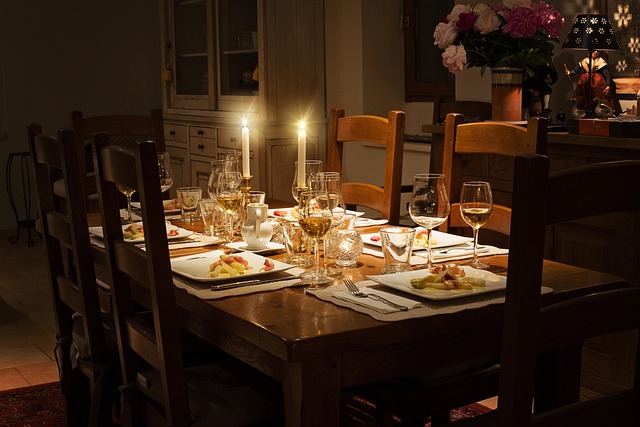
Home-based low-cost events—like a living room picnic served on a floor blanket—often yield better conversations than expensive restaurant trips because the setting is relaxed and unhurried.
How do you engage teenagers without forced participation?
Teenagers naturally seek independence from family structures. Demanding that a teenager participate enthusiastically in an event pitched at younger siblings typically creates resentment.
To involve teens productively, give them real control over decisions:
- Offer structured choices: Instead of asking “What do you want to do?”, present two distinct options, such as “Do you prefer a bike ride on Saturday or making homemade sushi on Sunday?”
- Assign high-value responsibilities: Put teenagers in charge of specific event elements, such as curating the road trip playlist, choosing the dinner recipe, or managing event photography.
- Allow peer inclusion: Let your teenager bring a friend along on family day trips. Having a peer present shifts the dynamic and makes teens far more willing to join in.
How do you balance screen time during family events?
Personal devices often interrupt shared family moments. Banning technology completely can spark unnecessary conflict, but clear boundaries ensure tech does not override real-world engagement.

Establish agreed-upon windows for screen-free time. For example, during board game nights, family meals, or nature hikes, set a rule that all phones—including parents’ devices—are placed in a basket in another room.
Alternatively, use screens constructively as part of the activity. Use plant identification apps on a hike, follow a digital cooking tutorial together in the kitchen, or play interactive trivia games that require a single shared screen. When technology supports shared interaction rather than isolation, it stops being a wedge between family members.
Which activity approach fits your family best?
Different planning strategies offer distinct benefits depending on your family’s schedule and personality styles. The table below outlines the trade-offs of three common planning approaches.
| Approach | Pros | Cons | Best Suited For |
|---|---|---|---|
| Structured / Planned | Ensures dedicated calendar space; builds anticipation; allows advance supply purchasing. | Limits spontaneous fun; can feel rigid or stressful if timing falls apart. | Busy families with tight weekday and weekend schedules; venue visits requiring tickets. |
| Spontaneous / Flexible | Adapts immediately to energy levels and weather changes; zero pre-event planning stress. | Can fall back on default screen habits if no ideas come to mind quickly. | Open weekends; families with toddlers whose moods fluctuate rapidly. |
| Routine / Traditional | Reduces decision fatigue; creates predictable family culture and long-term memories. | Can feel repetitive or obligation-driven if kept long past its usefulness. | Weekly family meals, Sunday morning hikes, or annual holiday traditions. |
Research published by the University of Florida (2020) indicates that predictable family rituals and weekly routines correlate strongly with family cohesion and positive child social development. Mixing structured routine events with occasional spontaneous outings yields the most balanced home environment.
Step-by-step blueprint for successful family activities
To avoid logjam decisions and last-minute cancellations, use this systematic approach to plan and execute family activities efficiently.
- Hold a monthly brainstorming session: Gather everyone for ten minutes to list potential activities. Write every idea down without immediate judgment to ensure all voice levels feel heard.
- Filter by schedule and budget: Review the list against your actual budget, travel limitations, and seasonal weather. Select one major outing and two minor home-based activities for the upcoming month.
- Assign specific preparation roles: Divide responsibilities so one person isn’t carrying all the logistical load. A teen can check weather and park hours, a younger child can help pack snacks, and parents can handle transport.
- Block and guard the time: Place the chosen event on the family calendar as a non-negotiable event, similar to a medical appointment or work commitment.
- Prepare materials in advance: Gather supplies, board games, or packed gear the evening before to avoid a chaotic morning departure.
- Commit to active presence: Put away personal devices and stay engaged during the event. Focus on conversation and shared movement rather than capturing perfection for social media.
- Review and adapt: Casually ask what everyone enjoyed or found boring on the way home. Keep winning ideas in a slip-jar for quick inspiration when future planning days arrive.
Common mistakes that ruin family activities (and quick fixes)
Even well-intentioned family events can go off course. Recognizing common mistakes early helps you adjust before frustration takes over.
Over-scheduling the agenda
Trying to pack three venues into a single afternoon leads to exhaustion, rushing, and short tempers. Fix: Schedule one main event per day and leave generous buffer time before and after for unstructured relaxation.
Ignoring physical needs
Hunger and fatigue ruin family outings faster than bad weather. Fix: Pack extra water and portable snacks regardless of how short you expect the trip to be, and plan rest stops during physical activities.
Forcing rigid expectations
Expecting toddlers to sit quietly during an extended museum visit or teenagers to cheer enthusiastically during a child-focused game causes conflict. Fix: Adjust your expectations to match the realistic attention span and interests of your family members.
Adapting family activities as children grow
An activity routine that works brilliantly for five-year-olds will lose its appeal as those children reach middle school. Family activities must evolve alongside your family’s dynamic.
Re-evaluate recurring traditions annually. An annual tent camping trip might transition into a cabin rental or outdoor kayak trip as children reach adolescent years. When a tradition begins to feel like a chore rather than a joy, discuss alternative options openly with your children and create new traditions that reflect their current interests.
Prioritizing genuine interaction, open choices, and flexible scheduling keeps family time engaging and refreshing throughout every stage of childhood.
Related guides
Frequently asked questions
How often should a family plan dedicated activities together?
Consistency matters far more than frequency. Aim for at least one structured family activity each week alongside daily small connection touchpoints, such as shared dinners or brief bedtime reading sessions.
What are the best screen-free family activities for rainy days?
Cooperative board games, living room fort building, baking projects, indoor obstacle courses, and reading a multi-chapter book aloud work exceptionally well when bad weather keeps everyone indoors.
How can I get my teenager to participate in family activities without arguing?
Involve them directly in picking the activity, grant them genuine choices, allow them to invite a friend, and choose events that respect their maturity level rather than forcing child-oriented games.
What should we do if our kids have a large age gap and completely different interests?
Choose multi-tiered activities where each child has an age-appropriate role, such as a cooking session where younger kids wash vegetables while older kids handle chopping and cooking tasks.
Are expensive family outings better for bonding than free activities?
No. Research shows that child emotional well-being and family closeness depend on focused interaction, shared laughter, and active presence, none of which require financial expenditure.
Lifestyle & Everyday Tips
Unlock Deeper Value: Staycation Ideas That Outperform Costly Trips
Most people think of staycation ideas as a cheap alternative to travel. But what if they offered a richer, more intentional experience? Discover how to unlock deeper value and genuine rejuvenation without leaving your local area.

The best staycation ideas combine local exploration—such as visiting nearby nature reserves, museums, and specialty food spots—with intentional home resets like DIY spa nights and backyard glamping to eliminate travel stress. Setting strict boundaries against work and household chores, allocating a modest budget, and scheduling activities on your calendar ensures an at-home break feels like a genuine vacation.
The rest of this guide covers essential planning steps to protect your schedule and budget, alongside actionable staycation ideas categorized by outdoor, culinary, cultural, relaxation, and creative interests. It also includes a comparison of staycation options to help you choose the best format based on your energy levels and goals.
Staycation Ideas: 25 Ways to Reset Without Leaving Home
The best staycation ideas combine local exploration—like visiting nearby museums, nature reserves, and specialty food spots—with intentional home resets like a DIY spa night, backyard glamping, or hobby deep-dives. To feel like a genuine vacation, set strict boundaries against work and chores, allocate a modest budget, and schedule activities on your calendar in advance.
Traditional trips often leave travelers exhausted before they even unpack. Flight delays, high hotel rates, traffic jams, and rigid itineraries turn what should be a restful break into a stressful obligation. A staycation shifts your focus from escaping your life to enriching it where you already live, eliminating travel logistics so you can decompress immediately.
When you treat your home town as a tourist destination and your living room as a sanctuary, time off becomes restorative rather than expensive. You retain complete control over your schedule, avoid airport security lines, and direct your resources toward high-quality experiences instead of travel overhead.
How to plan a staycation that actually feels like a vacation
A staycation fails when it turns into an ordinary weekend filled with errands, laundry, and unanswered emails. Treating an at-home break with the same structure and respect as a trip across the country keeps daily obligations from taking over your time off.

- Set clear start and end times. Decide exactly when your staycation begins and ends. Mark those dates on your household calendar, submit official time off at work, and set an away message on your email and messaging apps.
- Establish a dedicated budget. Setting aside even a small sum—whether $20 for specialty coffee or $100 for a local ticket—transforms your mindset from routine domestic spending to deliberate leisure. NerdWallet reported in 2026 that spending just $5 to $10 per person on a planned local activity delivers a noticeable jump in personal enjoyment compared to unstructured free time.
- Prepare your space in advance. Complete routine house cleaning, grocery shopping, and laundry before your staycation starts. You should not be vacuuming living room rugs or scrubbing bathroom tiles during your off days.
- Communicate boundaries with others. Let friends, extended family, and colleagues know that you are off the grid. Explain that while you are remaining at home, you will not be available for routine favors, work quick-checks, or unplanned social calls.
According to a 2025 survey by the American Psychological Association, nearly 70% of adults reported feeling stressed about vacation planning, with financial concerns acting as a primary driver. Eliminating long-distance logistics bypasses that pre-trip strain, letting you enter relaxation mode from hour one.
Actionable staycation ideas for every interest
The key to an enjoyable staycation is choosing activities that match your core goal—whether that is deep physical rest, creative growth, or local adventure.
Outdoor and nature staycation ideas
- Backyard glamping: Set up a waterproof tent in your yard with thick sleeping pads, real pillows, plush blankets, and outdoor lanterns. Spend the evening stargazing, reading, or telling stories outside without leaving your property.
- State park day trip: Research state parks, nature preserves, or county trails within a 45-minute drive that you have never visited. Pack a thermos of coffee, a light lunch, and a field guide to identify local birds or foliage.
- Urban cycling or walking tour: Pick a neighborhood in your city that you usually drive through without stopping. Park your car or take public transit there, then explore the side streets, parks, and historic architecture on foot or by bicycle.
- Sunrise or sunset picnic: Pack breakfast foods or evening snacks and travel to a scenic local high point or lake shoreline to watch the sun rise or set without rushing.
Food and culinary staycation ideas
- Themed specialty market crawl: Choose a regional cuisine you enjoy—such as Japanese, Mexican, Italian, or Middle Eastern—and visit an authentic specialty grocery store. Pick up regional spices, produce, and traditional sweets to construct a multi-course dinner at home.
- Virtual cooking masterclass: Sign up for an online culinary workshop to learn advanced techniques like handmade pasta, sushi rolling, or artisan bread baking. Subscription platforms like Classpop! or MasterClass offer monthly access for around $29.99, while single-session live classes range between $50 and $60 in 2026.
- Neighborhood progressive dinner: Plan an evening where you visit different local establishments for each course: appetizers and drinks at a patio lounge, main course at a cozy bistro, and dessert at an artisan bakery or ice cream shop.
- DIY coffee tasting flight: Buy small batches of single-origin coffee beans from a local roaster. Brew them using different methods—such as French press, pour-over, or espresso—and compare the flavor notes at home.
Cultural and local discovery staycation ideas
- Public library cultural passes: Many municipal public libraries offer cardholders free or heavily discounted passes to local museums, art galleries, botanical gardens, and historical sites. Check your library system for programs like the Discover & Go pass to access local culture without admission fees.
- Architectural and historical scavenger hunt: Search online for municipal historical society guides or download a self-guided walking app. Visit downtown landmarks, historic buildings, and public murals while documenting interesting details with your camera.
- Indie theater and matinee shows: Catch a mid-day movie at an independent cinema, visit a community theater production, or attend an outdoor matinee performance that you would normally skip during busy work weeks.
- Self-guided gallery walk: Spend an afternoon visiting local art galleries, ceramic studios, or university exhibition spaces in your downtown core.
Rest, relaxation, and self-care staycation ideas
- At-home spa experience: Turn your bathroom into a private retreat. Fill a warm bath with Epsom salts and essential oils, apply a moisturizing face mask, dim the overhead lighting, play soft instrumental audio, and finish with fresh warm towels.
- Complete digital blackout window: Choose a 24- to 48-hour period during your staycation to turn off mobile notifications, hide tablets and laptops in a closet, and refrain from reading news or social feeds. Replace screen time with physical books, board games, or lingering conversation.
- Dedicated reading or music nook: Set up a comfortable corner with supportive cushions, proper lighting, and a tray for herbal tea or coffee. Reserve several uninterrupted hours to read a book series or listen through full albums without multi-tasking. If you want to build better daily habits alongside your time off, see Minimalist Home Decor Essentials for a Serene, Intentional Space for practical guidance.
- At-home yoga and breathwork retreat: Clear a space in your living room, light a scented candle, and follow an extended gentle yoga or deep relaxation routine without watching the clock.
Skill-building and creative staycation ideas
- Single-session art studio workshop: Many local community centers, craft shops, and pottery studios offer beginner-friendly weekend workshops in ceramics, stained glass, watercolors, or woodworking. Expect to pay around $40 to $60 for a multi-hour session with materials included.
- Creative writing or journaling sprint: Set aside a dedicated morning to work on personal essays, fiction, or life reflection. Pair this with a fresh notebook or specialized writing software to organize your thoughts without daily distractions.
- Home photo studio project: Experiment with photography by setting up basic lighting near a window, practicing portraiture, macro object shots, or urban nature photography around your neighborhood.
- Plant propagation and garden redesign: Spend an afternoon repotting indoor house plants, taking leaf cuttings, or arranging a small herb box for your kitchen windowsill or balcony.
Comparing staycation options: Which format suits you?
Choosing the right staycation structure depends on your current energy levels, living arrangement, and personal goals. The table below compares four common staycation styles to help you select the best approach for your upcoming break.
| Staycation Option | Ideal For | Estimated Budget | Key Requirement | Main Risk / Trade-Off |
|---|---|---|---|---|
| At-Home Spa & Wellness Reset | Burnt-out professionals, solo relaxers | $20 – $50 | Strict chore ban and zero screen time | Hard to disconnect if house is messy |
| Urban Tourist Discovery | Couples, curious locals, history lovers | $30 – $100 | Advance ticket bookings & route planning | Physical fatigue from walking and touring |
| Backyard Outdoor Glamping | Families, nature enthusiasts, pet owners | $10 – $40 | Basic camping gear & outdoor space | Weather dependence & outdoor noise |
| Creative Hobby Sprint | Makers, solo learners, aspiring artists | $40 – $80 | Dedicated workspace free of clutter | Frustration if skill learning takes time |
Common staycation mistakes and how to fix them
Even well-planned staycations can go off course if you slip back into daily household maintenance or workplace demands. Addressing these common traps in advance protects your time off.
Treating staycations like catch-up days for chores
The fastest way to ruin a staycation is using free time to clean gutters, paint baseboards, or organize garage shelves. While completing house projects brings satisfaction, it is labor—not rest. Keep domestic maintenance completely separate from vacation days. If a task cannot wait, complete it before your staycation begins or hire temporary help.
Failing to establish digital boundaries
Checking work email “just once” or answering Slack messages breaks your mental break and invites work stress back into your home. Turn off push notifications, sign out of professional accounts, and tell colleagues that you will reply only after your scheduled return date.
Over-scheduling or under-planning
An over-booked staycation leaves you feeling rushed, while a completely blank schedule often leads to hours of passive screen scrolling and regret. Strike a balance by scheduling one primary focus or outing per day, leaving the remaining hours open for spontaneous rest, reading, or walks.
Who an at-home staycation does not suit
While staycations work well for many people, they are not the right choice for every situation. An at-home break may not suit you if:
- You live in an overcrowded, noisy, or high-stress housing environment where quiet relaxation is impossible.
- Your job requires working from home and you lack a dedicated office space, making it difficult to separate work environment from personal space.
- You are recovering from major domestic events or recent household disruption where staying home triggers stress rather than ease.
- You thrive exclusively on novel geographic environments and need physical distance from your city to mentally reset.
In these cases, booking an affordable rental a short drive away or staying with family in a nearby town may provide the physical boundary necessary for true recovery.
Financial fitness: Why staycations build long-term wealth
Staying local provides a practical way to enjoy high-quality leisure without draining your savings account or accumulating credit card debt. A traditional multi-day vacation often costs thousands when accounting for flights, lodging, rental cars, and restaurant markups. Reallocating a fraction of those funds—say $150—toward a memorable local meal, museum passes, or gourmet ingredients yields high enjoyment at a small percentage of the price.

This practice aligns with frugal hedonism: learning to derive rich pleasure from simple, localized, and low-cost experiences. Rather than viewing frugality as sacrifice, intentional staycations frame it as an upgrade in time ownership. Money saved on travel overhead can be redirected toward emergency funds, investments, or major life goals while leaving you mentally refreshed. Spending time on meaningful family activities and savoring daily pleasures creates long-lasting contentment without compounding financial anxiety.
Frequently asked questions
Is a staycation really worth it compared to a traditional vacation?
Yes. A staycation offers deep rejuvenation and financial savings by eliminating travel stress, transit delays, and lodging expenses while encouraging intentional local exploration. It shifts your focus from escaping routine to enriching your immediate surroundings.
How do I make my home feel like a vacation spot during a staycation?
Clean and declutter your living spaces before your time off starts, change your bedding to fresh linens, and introduce sensory shifts like calming music or scented candles. Most importantly, hide work-related items and enforce a complete ban on household chores.
What are some free staycation ideas?
Free staycation ideas include exploring local nature trails, securing free museum passes through your public library’s Discover & Go program, organizing a backyard stargazing night, holding a board game marathon, or taking a self-guided architectural walking tour.
How long should a staycation be to be effective?
An effective staycation can range from a single dedicated 24-hour reset to a full week off. Most people find that 3 to 5 consecutive days provides enough time to fully mentally detach from work without running out of local activities.
Can a staycation be romantic for couples?
Staycations are excellent for couples. Planning a candlelit multi-course dinner at home, taking a sunset picnic to a local lookout, booking an afternoon couples’ spa session, or taking an online cooking class together fosters intimacy without travel fatigue.
Are staycations good for mental health?
Yes, staycations significantly improve mental health by reducing the anxiety, logistics, and financial strain tied to long-distance trip planning. They allow you to prioritize restorative sleep, physical wellness, and unhurried recreation right where you are.
Lifestyle & Everyday Tips
Lorelei: Unpacking the Name’s Enchanting Duality
The meaning of the name Lorelei is steeped in German legend, evoking images of beauty, mystery, and powerful allure. This article explores its rich history and enduring appeal.

The meaning of the name Lorelei is “murmuring rock” or “luring rock,” derived from the Old German elements lureln (“to murmur”) and ley (“rock”). It originally described a steep slate cliff on the Rhine River, celebrated in German folklore as the home of a captivating siren whose song led sailors into treacherous currents. Beyond its legendary roots, the name embodies a unique balance of natural beauty, romantic storytelling, and musical elegance.
Where does the name Lorelei come from?
The name Lorelei stems directly from a physical landmark along the Rhine River in Germany, long before it became a popular given name. Its linguistic roots combine two Middle High German words: lureln (meaning “to murmur” or “to whisper”) or luren (“to lurk” or “to lie in wait”), paired with ley, an ancient regional term for a slate rock or cliff. Detailed linguistic analysis of its etymology shows that the phrase literally meant “the whispering rock” or “the murmuring cliff.”
This geographical feature is a massive, 120-meter slate cliff located near St. Goarshausen, Germany. At this specific stretch of the Rhine, the river narrows dramatically while bending sharply around submerged slate formations. In centuries past, the combination of heavy water currents, a small waterfall, and the cliff’s natural acoustics produced a distinct, echoing sound that murmured across the water. Ships passing through this narrow gorge frequently ran aground or collided with rocks due to the violent currents. Local riverfarers attributed both the eerie echoing sounds and the frequent shipwrecks to the rock itself, giving birth to early local legends about hidden forces dwelling within the slate.
How did a Rhine river rock become a siren legend?
The transformation of a physical hazard into a famous figure of German folklore took place primarily during the 19th-century Romantic movement in European literature. While river sailors had shared tales of echoing rocks for generations, the character of the siren was created through German poetry and song.

In 1801, German author Clemens Brentano introduced the character in his ballad “Zu Bacharach am Rheine” within his novel Godwi. Brentano wrote of a beautiful young woman named Lore Lay who was so captivating that men fell hopelessly in love with her. Accused of bewitching suitors, she was sent to a convent by a sympathetic bishop. On her journey, she asked to climb the high Rhine rock one last time to view her lover’s castle. Believing she saw him in the river below, she threw herself into the water.
Two decades later, in 1824, poet Heinrich Heine refined the legend in his celebrated poem “Die Lore-Ley.” Heine re-imagined Lorelei as a golden-haired water siren sitting atop the high rock at sunset, combing her hair with a golden comb while singing an irresistible song. Distracted by her beauty and enchanting melody, passing boatmen gazed upward, lost control of their vessels, and crashed against the treacherous rocks. Heine’s poem was later set to music by Friedrich Silcher and Franz Liszt, turning the tale into one of Germany’s most enduring folk songs and establishing the siren image worldwide.
How do you pronounce and spell Lorelei?
Because Lorelei originated in German literature, its pronunciation can vary slightly depending on region and language preference. Understanding these variations helps parents choose the sound that fits best.
Standard pronunciations
- Traditional German: “LOR-eh-lye” (or “LOR-uh-lye”), with the primary accent on the first syllable and the final syllable rhyming with “sky” or “high.”
- Mainstream English: “LOR-uh-lye,” which closely follows the German standard and is the most common pronunciation in North America and the United Kingdom.
- Alternative English variations: “LOR-eh-lay” or “LOR-uh-lee,” though these are less conventional interpretations of the “ei” vowel combination.
Spelling variations and nicknames
While “Lorelei” is the widely accepted spelling for a person’s name, several alternative spellings exist across different cultures and media:
- Loreley: The original German spelling used for the Rhine cliff and Heine’s poem.
- Lorelai: Popularized by television media, particularly Gilmore Girls.
- Laurelei: A rare variant incorporating the traditional English prefix “Laurel.”
- Loralei or Loralai: Phonetic adaptations that emphasize a softer middle vowel.
Common nicknames for Lorelei include Lori, Lorie, Laura, Rory, Lei, Rori, and Ellie. This flexibility allows a child to carry a full, elegant name on formal documents while using a shorter, casual diminutive in everyday life.
What does Lorelei mean in modern culture and media?
In contemporary culture, the name Lorelei has moved far beyond its origins as a tragic cautionary tale. Today, it evokes creative expression, intelligence, glamour, and independent spirit.
The name reached a wide international audience through Anita Loos’s 1925 comic novel Gentlemen Prefer Blondes, which was adapted into the 1953 feature film starring Marilyn Monroe as the witty and charming Lorelei Lee. Monroe’s portrayal brought a playful, magnetic warmth to the name, contrasting sharply with medieval siren tropes.
Decades later, the television series Gilmore Girls cemented the alternate spelling “Lorelai” in pop culture. Featuring the quick-witted mother-daughter duo Lorelai and Rory Gilmore, the show connected the name with resilience, humor, warm family dynamics, and self-reliance. This cultural exposure softened the ancient mythological association and highlighted the name’s modern, approachable appeal.
In music, artists such as the Cocteau Twins, Fleet Foxes, Styx, Scorpions, and The Pogues have written songs titled “Lorelei,” drawing on its poetic cadence and mysterious backstory. Rather than symbolizing danger, the modern cultural connection associated with Lorelei represents artistic depth, strong intuition, and memorable individuality. Parents who choose the name often value these expressive, creative qualities for their child’s identity, especially when building thoughtful Family Activities: Beyond the Checklist for Real Connection around family naming traditions.
Is Lorelei a popular baby name?
Data from the Social Security Administration shows that Lorelei is a well-established baby name in the United States that remains comfortably outside the top ranks of hyper-popular names.
Lorelei first entered the top 1,000 girl names in the United States during the 1950s, influenced by mid-century pop culture. After dropping off the charts for a few decades, it experienced a steady revival beginning in the early 2000s. Today, it consistently holds a position in the middle tier of naming charts—typically ranking between 400 and 600.
This popularity level offers a practical sweet spot for parents. The name is widely recognized, easy to read, and free from confusion, yet rare enough that a child is unlikely to share a classroom with several classmates of the same name. Its steady placement indicates long-term stability rather than a brief, passing trend.
What should parents consider before choosing the name Lorelei?
When deciding whether Lorelei is the right choice for a child, evaluating its practical trade-offs can help narrow down your decision.

Advantages of the name Lorelei
- Distinctive melody: Three to four fluid syllables give the name a rhythmic, musical quality that stands out in conversation.
- Rich heritage: Connects directly to European geography, Romantic literature, and folklore.
- Versatile nicknames: Options like Lori, Rory, and Ellie fit different ages and personality styles.
- Balanced recognition: Known to most English speakers without being overused.
Potential challenges to keep in mind
- Spelling clarifications: Because both “Lorelei” and “Lorelai” are common in popular culture, people may occasionally ask which spelling you use.
- Mythological background: A few people may focus on the traditional siren myth, though most modern listeners associate it with poetry or television characters.
- Syllable count: At three or four syllables, Lorelei pairs best with shorter middle and last names to maintain smooth cadence.
What middle names and sibling names pair well with Lorelei?
Because Lorelei is a multi-syllable name with strong vowel sounds, it pairs best with crisp, balanced middle names and complementary sibling names.
Recommended middle names
Pairing Lorelei with a one- or two-syllable middle name creates a harmonious rhythm:
- Lorelei Grace: A smooth combination balancing classical elegance with a soft cadence.
- Lorelei Rose: Adds a traditional botanical touch to the musical rhythm of Lorelei.
- Lorelei Mae: Offers a short, warm, and approachable single-syllable pairing.
- Lorelei Claire: Combines clear, crisp consonant sounds with Lorelei’s open vowels.
- Lorelei Jane: A timeless, structured middle name that grounds the longer first name.
- Lorelei Ivy: Creates a lively, nature-inspired pairing rich in open vowel sounds.
Matching sibling names
If you are building a family naming theme, Lorelei pairs naturally with names that feature literary, vintage, or European roots:
- Sister names: Genevieve, Ophelia, Fiona, Juliet, Evangeline, Rosalie, Beatrice, Clara.
- Brother names: Sebastian, Julian, Felix, Oliver, Arthur, Tristan, Gideon, Damian.
When planning name pairings across children, reviewing High Yield Checking Accounts: A Smart Money Move on choosing cohesive sibling names can help ensure balanced syllable counts and complementary origins.
Frequently asked questions
What nationality is the name Lorelei?
The name Lorelei is of German origin. It stems from Middle High German words describing a famous slate cliff on the Rhine River near St. Goarshausen, Germany.
How do you pronounce Lorelei correctly?
The standard pronunciation in both German and English is “LOR-uh-lye” or “LOR-eh-lye,” where the final syllable rhymes with “sky.” In some English-speaking regions, minor variations like “LOR-eh-lay” or “LOR-uh-lee” are also heard.
What is the story of the Lorelei rock?
The Lorelei rock is a steep slate cliff along a narrow, turbulent bend of the Rhine River. 19th-century German romantic literature transformed local echoes and treacherous water currents into a myth about a golden-haired siren who sang from the cliff, distracting passing sailors.
Is Lorelei an uncommon name today?
Lorelei is a moderately uncommon name in English-speaking countries. In the United States, it consistently ranks outside the top 300, making it familiar to most people while remaining distinctive and unique.

Close Your Mind? Why It Actually Holds You Back

Richard Feynman’s Letter to His Wife: A Masterclass

Bird by Bird Anne Lamott: Lessons for Writing and Life

Nurturing Your Areca Palm Chrysalidocarpus: An Expert Guide

White Bird of Paradise: Mastering the Giant Indoor Plant

Beyond Inspiration: Life Is Too Short Quotes & Real Action
-
 Home & Living3 months ago
Nurturing Your Areca Palm Chrysalidocarpus: An Expert Guide
-
 Home & Living3 months ago
White Bird of Paradise: Mastering the Giant Indoor Plant
-
 Self-Improvement3 months ago
Beyond Inspiration: Life Is Too Short Quotes & Real Action
-

 Business & Growth3 months ago
Concrete Driveway Cost: Your Essential Budget Guide
-

 Business & Growth3 months ago
Drain Cleanout: Your Plumbing System’s Cost-Saving Secret
-

 Home & Living3 months ago
Jacaranda Tree: Cultivating Vibrant Purple Blooms in Your Landscape
-

 Business & Growth3 months ago
Strategic Home Additions: Maximizing Value and Seamless Integration
-

 Business & Growth3 months ago
Single Wide Manufactured Homes: A Smart Financial Choice?